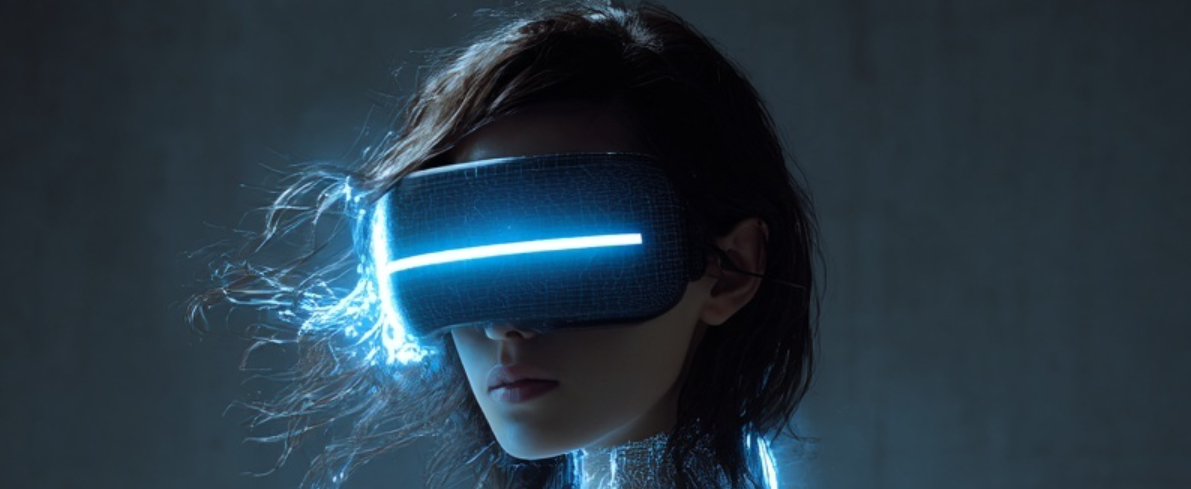
Augmented
Future
DESIGNA XR: spatial interaction research. This project explores browser-delivered scenes and application controls for extended reality. Device support and performance require prototype testing.
01 // DEVICE AND COMPUTE RESEARCH
DESIGNA’s spatial-computing research builds on hands-on GPU and media engineering. Andrew built a dual-GPU workstation and prototyped a pipeline for image generation, upscaling, speech recognition, and scene analysis. The next spatial prototypes will test how browser software and remote computation serve immersive displays.

02 // APPLICATIONS IN PHYSICAL SPACE
The design direction places application content within a spatial scene. Potential uses include product demonstrations, training, and interactive media. Each use requires different tracking, input, and persistence behavior. A prototype must show how digital objects remain usable as a person moves or changes their view.
03 // INPUT THAT FITS THE DEVICE
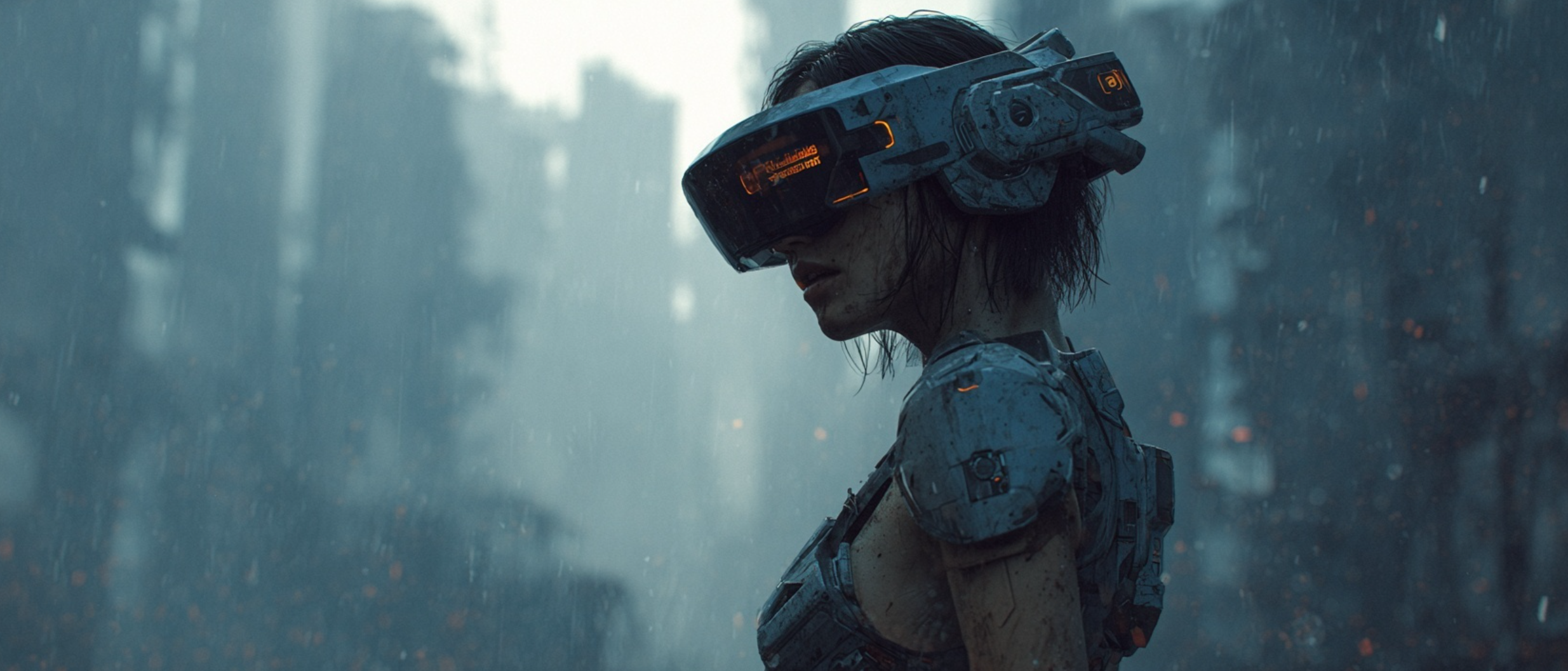
Gaze, gestures, and conventional controls offer different ways to select an object. DESIGNA’s research asks which interactions feel clear on supported hardware. Intent prediction remains experimental. Accuracy, accessibility, and consent matter when an interface uses eye-tracking or other sensor data.

04 // SPATIAL MEDIA
Browser delivery could make spatial experiences easier to share and update. DESIGNA connects this research with its game and generated-media projects. The ambition includes interactive demonstrations, training, and entertainment. Prototype testing will measure loading, frame pacing, input response, and recovery from a lost connection.

05 // FOCUSED RENDERING RESEARCH
Focused rendering concentrates detail where a viewer looks. DESIGNA is exploring how that approach might reduce unnecessary computation. Hardware tests will compare visual quality and resource use. The goal is an immersive experience that uses the device’s available resources well.