[EDGE INDEPENDENCE // CDN REPLACEMENT]

Replace Cloudflare

Stop renting your front door from a single global chokepoint. The Antigravity Kernel gives businesses a faster, safer, more accountable way to run edge security, load balancing, CDN delivery, tenant routing, and AI-assisted operations without surrendering control to a black-box middleman.

Cloudflare sells convenience. We sell control. Your traffic, your rules, your observability, your cost model, and your customer experience stay under your command.

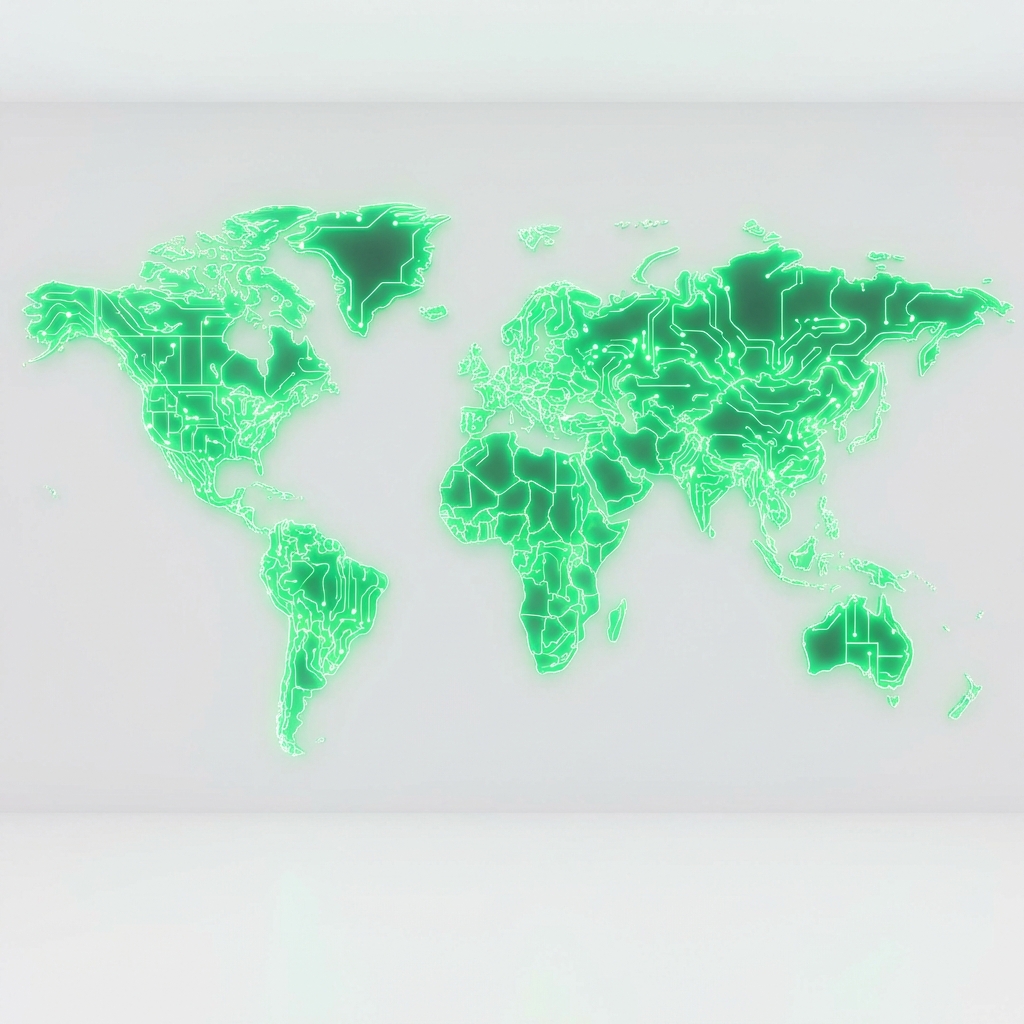
Global edge network control map for DESIGNA Kernel
REPLACEMENT TARGETS
  • CDN delivery without black-box dependency
  • App-aware security rules instead of generic challenges
  • GCP load balancing, health checks, and controlled failover
  • Agent-assisted monitoring, release checks, and recovery
Security: app-aware perimeter
Reliability: no single edge monoculture
Cost: transparent cloud resources
Control: customer-owned policy
Support: engineering-led response
Telemetry: direct runtime evidence
Security: app-aware perimeter
Reliability: no single edge monoculture
Cost: transparent cloud resources
Control: customer-owned policy
Support: engineering-led response
Telemetry: direct runtime evidence
[PUBLIC INCIDENT RECORD // CENTRALIZED EDGE FAILURE]

The internet should not go dark because one gatekeeper makes a bad push.

This is not theory. Cloudflare has publicly documented major failures that affected customers depending on its edge. The lesson is simple: when a third-party network becomes your security layer, CDN, access layer, bot gate, DNS path, and challenge screen, their control-plane problem becomes your business outage.

[DESIGNA RESPONSE // CONTROLLED EDGE]

We crush the Cloudflare model by refusing the black box.

Security That Knows The App

Generic challenge screens and reputation gates do not understand your checkout, tenant boundary, admin flow, or customer journey. The kernel puts security policy next to the application, where it can understand intent instead of blindly challenging visitors.

Reliability Without Edge Monoculture

A single provider-wide push should not decide whether your business is online. The kernel runs behind controlled cloud load balancing, health checks, fail-closed host routing, and rollback-ready deployments.

Cost Without Feature Tollbooths

Businesses should not pay an ever-expanding tax for security knobs, cache behavior, domains, redirects, logs, bot filters, and access controls. We build the stack around transparent infrastructure and measurable workload value.

No Third-Party Traffic Hostage

Your users should not be trapped behind a third-party challenge page that can misclassify, throttle, or block them before your own app sees the request. Control belongs with the business.

Support With Runtime Evidence

When the edge breaks, a ticket queue is not a recovery strategy. Our model emphasizes direct observability, application-level traces, release gates, and engineering-led remediation.

Agent-Orchestrated Recovery

Proper orchestration lets agents watch health, test pages, verify routes, inspect recent failures, and prepare safe recovery actions. It is not just a CDN. It is an operating system for the edge.

[SECURITY // OWNED PERIMETER]

Cloudflare is another perimeter. The kernel makes the perimeter yours.

Cloudflare asks businesses to trust a massive shared reverse proxy with traffic inspection, bot decisions, access challenges, DNS behavior, and security policy. That creates a concentration risk.

The Antigravity Kernel is designed around owned policy, tenant-aware routing, private service paths, managed certificates, cloud-native security controls, and live observability. It does not need to pretend one global edge vendor is the internet's referee.

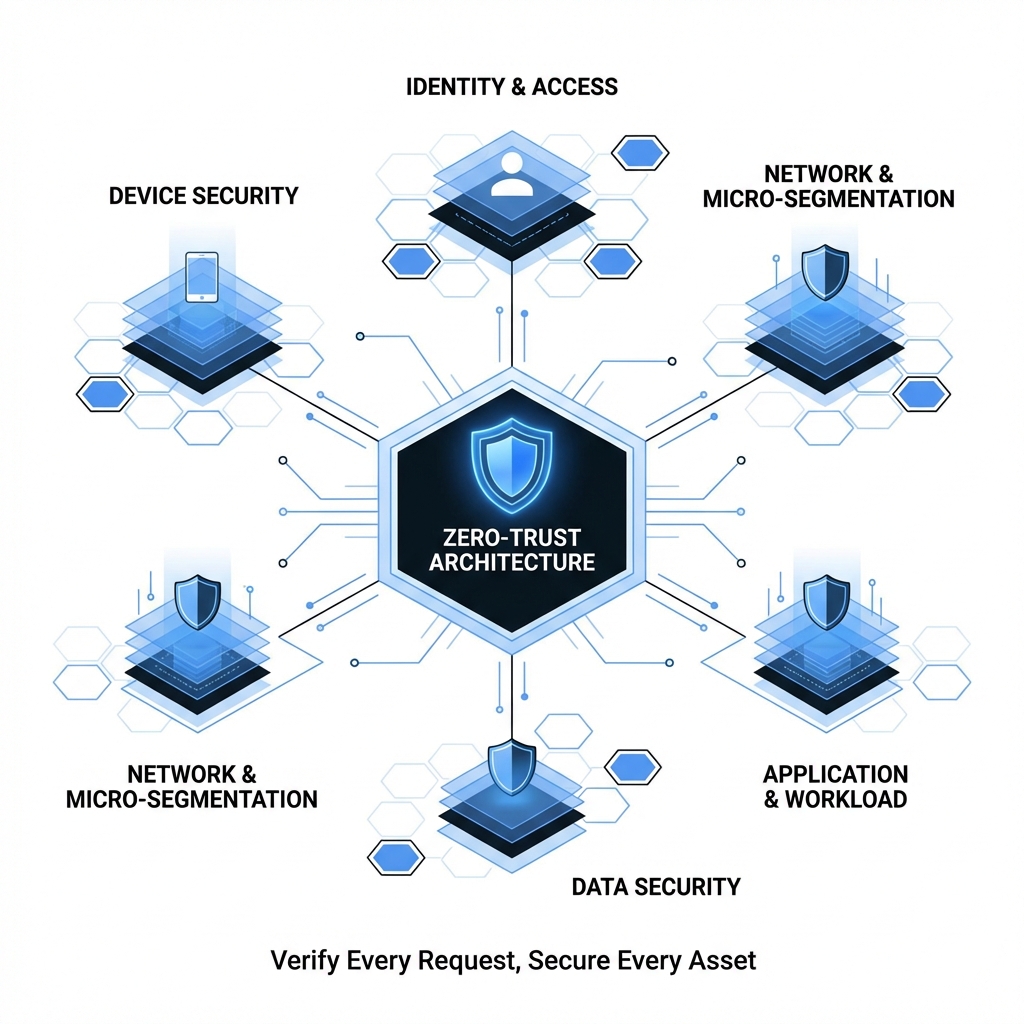
Security operations interface for controlled edge infrastructure
[BUYER MATRIX // CLOUDFLARE VS KERNEL]

What changes when you replace the black-box edge?

Area Cloudflare-style dependency Antigravity Kernel advantage
Security Traffic decisions depend on a third-party edge, bot score, challenge layer, and shared control plane. Policy is closer to the app, tenant, customer, and business workflow.
Reliability A provider-level outage can take healthy origins offline from the customer's point of view. Health checks, controlled routing, origin proof, and rollback paths keep recovery in your hands.
Cost Premium features can turn every security, cache, and access need into another billable lever. Infrastructure is mapped to real workloads and cloud resources, not vendor packaging games.
Support During broad incidents, customers wait inside the same provider queue as everyone else. The operating layer has direct telemetry, application context, and engineering ownership.
Internet neutrality A private edge can challenge, block, or degrade traffic before the application owner can decide. The business keeps control over who gets challenged, why, and how legitimate users are protected.
Automation Edge rules and dashboards are separated from release, QA, tenant, and app state. Agents can coordinate release checks, route proofs, security review, and recovery from the same operational fabric.
DEPENDENCY EXIT CHECK STATUS: LIVE
scan cloudflare dependency surface
FOUND dns proxy lock-in, challenge dependency, WAF coupling, cache ambiguity
compile kernel replacement plan
READY GCP load balancing, CDN paths, managed certs, app-aware routing
enable agent proof harness
READY public checks, origin checks, route proofs, rollback gates
result
CLOUDFLARE EXIT IS PRACTICAL
[GCP SCALE // CLEAN EDGE]

The replacement stack scales without the theater.

Google Cloud load balancers, managed TLS, health checks, CDN delivery, storage-backed media, and autoscaling compute give businesses the real infrastructure benefits they wanted from Cloudflare, without handing the steering wheel to someone else's control plane.

The kernel adds what generic CDN products cannot: application context, tenant awareness, agent-orchestrated verification, and a next-generation harness that can prove the system is healthy before customers feel the pain.

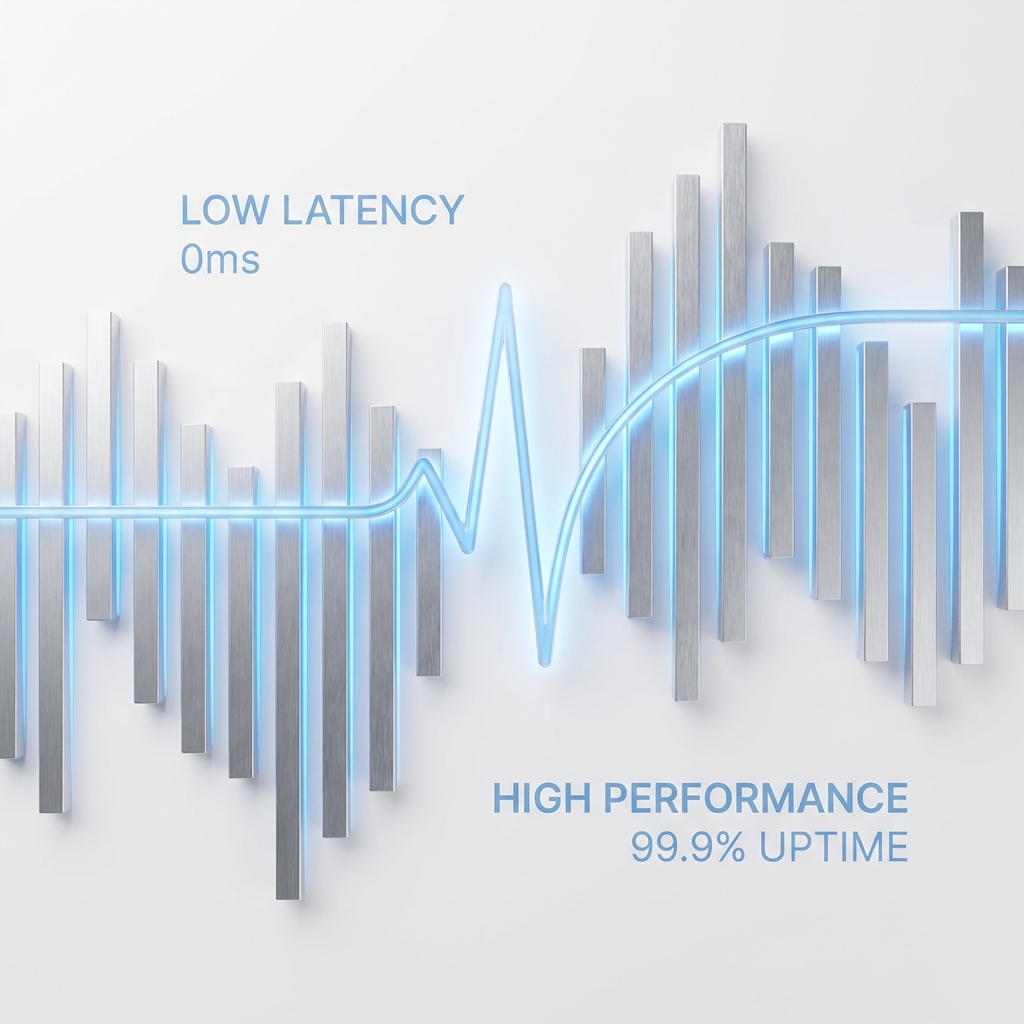
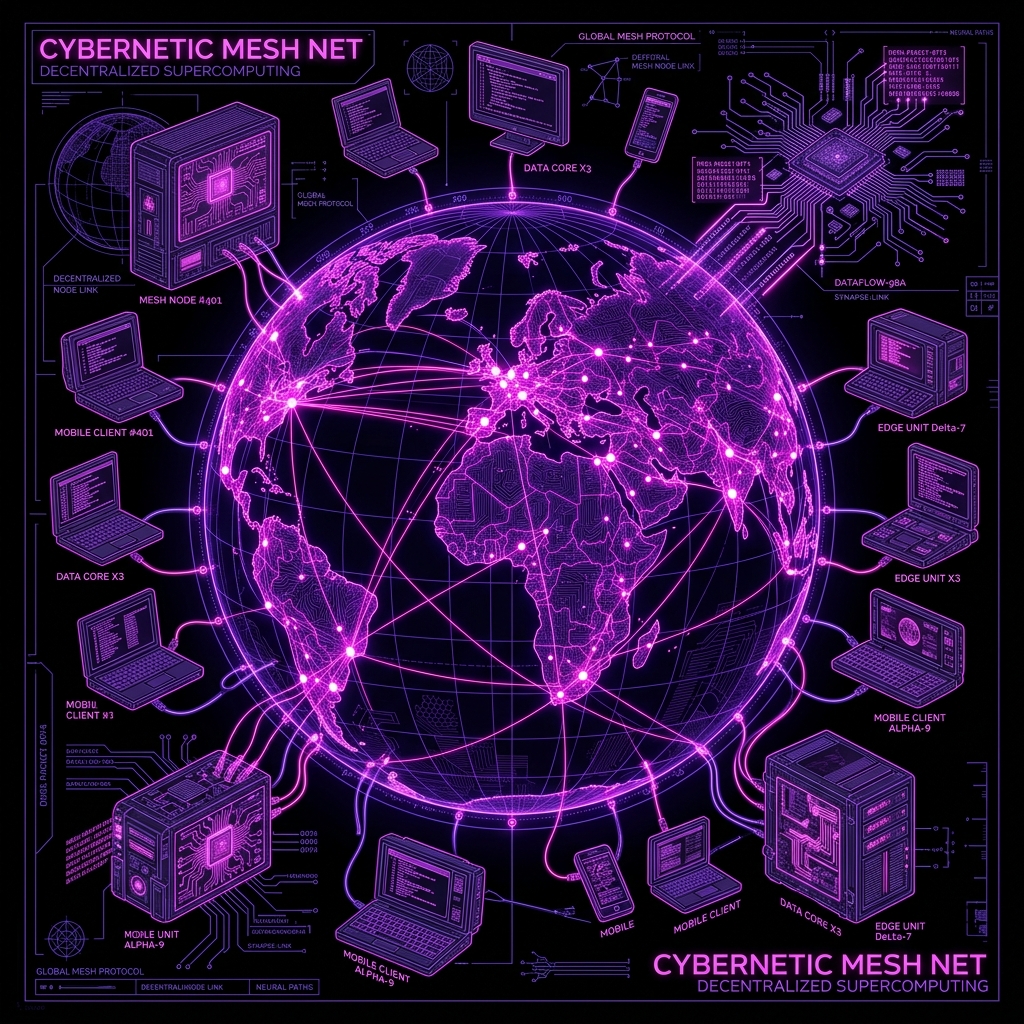
Operational metrics panel for edge performance Distributed mesh infrastructure visual Enterprise infrastructure visualization
[MIGRATION // NO DRAMA EXIT]

A controlled move off Cloudflare.

1. Inventory The Dependency

Map DNS, proxy status, WAF rules, page rules, redirects, access gates, cache behavior, workers, certificates, and challenge flows.

2. Rebuild The Edge In GCP

Move public entry to managed load balancing, certificate maps, CDN rules, health checks, and app-aware host routing.

3. Prove Before Cutover

Run browser checks, origin checks, route proofs, tenant checks, cache checks, and rollback gates before DNS is changed.

4. Replace The Challenge Layer

Use application-aware abuse controls that understand real customers instead of defaulting to blunt global challenges.

5. Watch The Runtime

Keep live telemetry and agent-supervised checks running so regressions are caught by the operating system, not by angry customers.

6. Stop Paying The Tax

Retire the unnecessary tollbooth and reinvest spend into owned infrastructure, better observability, and real engineering response.

[FINAL POSITION // OWN THE FRONT DOOR]

Cloudflare is the old compromise. The kernel is the exit.

If your business needs security, reliability, CDN performance, custom domains, tenant routing, load balancing, and AI-assisted operations, you do not need to place a giant opaque gatekeeper in front of the company.

Replace Cloudflare with a platform that is built around ownership, proof, cost clarity, and operational autonomy. The internet works better when businesses control their own edge.

TITAN_CORTEX // NEURAL_UPLINK
Terms of Service

ACCOUNT TERMINAL

SECURE LOGIN